GSM vs Wi-Fi Motor Starters: Which One Should Farmers Choose?
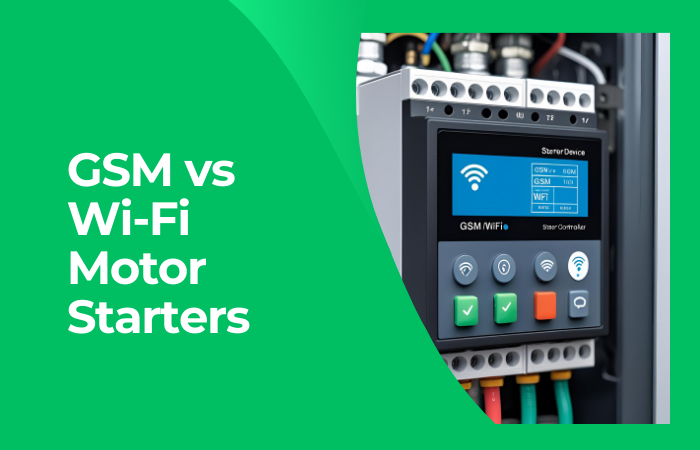
For farmers managing irrigation pumps, choosing the right mobile starter can make a huge difference in efficiency, cost savings, and reliability. Two of the most common technologies are GSM motor starters and Wi-Fi motor starters. But which one is right for you? Let’s break it down.
If you’re new to mobile starters, you might first want to check our guide on Mobile Starters and GSM controllers for pumps and motors.
1. How GSM Motor Starters Work
A GSM starter operates through the mobile network using a SIM card. Farmers can control pumps by making a missed call, sending an SMS, or using a lightweight app. The starter responds directly to mobile signals-no internet required.
This makes GSM starters highly reliable in rural and semi-rural areas where internet coverage is poor but mobile networks still work for calls and SMS.
2. How Wi-Fi Motor Starters Work
A Wi-Fi starter, on the other hand, connects to your local Wi-Fi router or hotspot. Farmers can then control their pump using a smartphone app over the internet. These devices often provide more detailed data like runtime, voltage, and motor health.
The catch? Wi-Fi starters are only as good as your internet availability. If your farm doesn’t have a stable broadband or 4G hotspot connection, they may not work reliably.
3. GSM vs Wi-Fi: Side-by-Side Comparison
| Feature | GSM Starter | Wi-Fi Starter |
|---|---|---|
| Connectivity | Works via SIM card (2G/3G/4G SMS/calls) | Needs Wi-Fi internet connection |
| Coverage | Works anywhere with a mobile network signal | Limited to Wi-Fi range or hotspot coverage |
| Ease of Setup | Insert SIM, simple installation | Requires Wi-Fi setup & internet stability |
| Reliability in Villages | High – even with a weak mobile signal | Low – dependent on internet strength |
| Data & Monitoring | Basic ON/OFF alerts, SMS notifications | Advanced insights (runtime, voltage, history) |
| Cost | Affordable, no internet bills (just SIM recharge) | Higher, plus ongoing internet costs |
4. Pros & Cons
✔ GSM Starter
- Reliable in rural zones without internet
- Budget-friendly with low running costs
- Simple to install & operate
- Limitation: Only basic control & alerts, no detailed analytics
✔ Wi-Fi Starter
- Advanced features & detailed monitoring
- App-based smart control
- Can integrate with other smart farm devices
- Limitation: Needs strong Wi-Fi or 4G hotspot, higher cost
5. Which One Should Farmers Choose?
Your choice depends on your farm’s conditions:
- Pick GSM if you are in a village or rural area with weak or no internet but stable mobile network coverage. It’s the most practical and dependable solution.
- Pick Wi-Fi if you have reliable internet on the farm and want detailed insights, logs, and smart controls.
- Some farmers opt for a hybrid solution, a device supporting both GSM and Wi-Fi. That way, even if the internet fails, SMS control remains available.
6. Cost Comparison (2025)
On average in India:
- GSM Starters: ₹3,000–₹6,000
- Wi-Fi Starters: ₹6,000–₹12,000 (plus internet costs)
For most small and medium farmers, GSM remains the more cost-effective option. Wi-Fi is better suited for large, modernized farms that already have internet access.
7. Real Farm Scenarios
GSM Example: A farmer in Madhya Pradesh controls his borewell pump using simple missed calls. He saves travel time and avoids dry-run motor failures, without needing the internet.
Wi-Fi Example: A greenhouse owner near Pune uses a Wi-Fi starter connected to his farm router. He checks pump usage logs, schedules irrigation, and integrates sensors via his phone app.
Read Next Guides
Get Prices from Verified Mobile Starters Sellers Near You
We connect you with trusted and verified sellers near you. Get the best deals, fast and hassle-free!
Popular Products from Verified Sellers
Read Other Posts on Mobile Starters
The Complete Guide to Mobile Starters & GSM Controllers for Farmers
How to Install a Mobile Starter for Your Water Pump – Step-by-Step Guide
How Dry-Run Protection Works in GSM Starters and Why It Saves Motors
Understanding Three-Phase vs Single-Phase Mobile Starters for Agriculture
Solar-Compatible GSM Starters: Setup & Best Practices for Off-Grid Irrigation
Best GSM Mobile Starters for Farmers in 2025 – Features, Pricing & Reviews
Top GSM Starters Under ₹5000 – Budget Picks That Last
Where to Buy GSM Mobile Starters for Your Water Pump in India
Troubleshooting GSM Mobile Starters: Step-by-Step Guide to Fix Common Problems
Maintenance Guide for GSM Mobile Starters: Keep Your Pump Control System Running Smoothly
GSM vs IoT Mobile Starters: Which Remote Motor Control Technology is Right for You?
Mobile Starters for Agriculture Pumps and Motors: A Complete Guide for Farmers
How GSM Starters Improve Motor Efficiency and Power Savings
Remote Monitoring: What Data GSM Controllers Can Provide to Farmers
The Future of GSM Starters: 4G, 5G, WiFi, and IoT Integration

Importance of GSM Starters in Dairy Farming & Livestock Watering Systems
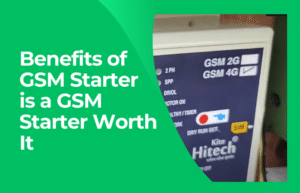
Benefits of GSM Starters- Is a GSM Starter Worth It for Small Farmers?
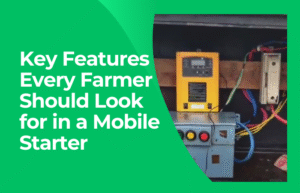
Key Features Every Farmer Should Look for in a Mobile Starter
How GSM and IoT Together Are Changing Indian Agriculture
Best SIM Cards & Mobile Networks for GSM Pump Controllers in Rural Area
Remote Pump Automation Without GSM – What Are the Alternatives?
The Role of GSM Controllers in Smart Farming