How GSM and IoT Together Are Changing Indian Agriculture
GSM motor starters made remote pump control practical for millions of Indian farmers. The next leap is happening now: pairing GSM’s anywhere-works reliability with IoT’s data, dashboards, and automation. This blend delivers smarter irrigation, lower energy waste, and more predictable yields-even in villages with patchy internet.
GSM + IoT: What Each Brings to the Farm
GSM (What you already use)
- Works via SIM card using SMS/missed call control
- Strongest fit for rural zones with limited internet
- Simple, low-cost, dependable for ON/OFF and safety alerts
IoT (What unlocks the next level)
- App dashboards, logs, and analytics (runtime, faults, voltage)
- Automation (timers, thresholds, rules) and multi-device control
- Integrations (weather, soil moisture, solar, farm records)
Used together, GSM ensures you can always switch your pump-even if the internet is down-while IoT captures data and automates routines when connectivity is available. For a quick tech refresher, see GSM vs Wi-Fi Motor Starters.
A Practical Hybrid Architecture for Indian Farms
- Field Layer: Pump + GSM starter with core protections (dry-run, overload, phase safety).
- Edge Layer: A small controller or the GSM unit itself logs key data (start/stop, voltage, current, hours).
- Connectivity Layer:
- Primary: local Wi-Fi/4G for IoT features
- Fallback: GSM SMS/missed call (works even if the internet fails)
- Cloud/App Layer: Phone app or dashboard for alerts, graphs, and remote diagnostics.
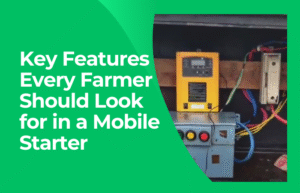
This “dual-path” approach-IoT when available, GSM always-keeps control reliable while building a useful history of pump performance. Learn how to choose must-have functions in Key Features Every Farmer Should Look For.
High-Impact Use Cases You Can Deploy Now
1) Smarter Irrigation Scheduling
- Use app timers to irrigate during off-peak power hours
- Auto-stop based on runtime or flow threshold
- Fallback to SMS control if app connection drops
2) Dry-Run & Overload Protection with Proof
Protection cuts off the motor; IoT logs the event so you can see when it happened and how often. Start here: Dry-Run Protection Explained.
3) Solar-Aware Automation
- Run pumps when array voltage is healthy; pause during clouds
- Track daily kWh and compare seasons
More in Solar-Compatible GSM Starters.
4) Water & Energy Benchmarking
- Log hours per plot and compare yield vs water usage
- Spot motors that consume more power than normal
See foundations in Motor Efficiency & Power Savings.
What Data Matters? (And How to Use It)
- Runtime (hours/day): ensures correct irrigation volume
- Starts/Stops & Fault Events: reveals reliability issues
- Voltage/Current: flags grid problems or pump wear
- Soil Moisture/Weather: prevents over-watering before rain
Deep dive: What Data GSM Controllers Can Provide to Farmers.
Connectivity in Villages: Making It Robust
- Dual connectivity: Wi-Fi/4G for IoT + GSM fallback via SMS
- External antenna: Improve weak mobile zones (guide: Operate in Poor Signal Areas)
- Edge buffering: Cache data locally; sync when the internet returns
- Critical alerts by SMS: Send dry-run/overload as text even if app is offline
ROI: Where Do the Savings Come From?
- Fewer field trips: Save fuel and hours, especially at night
- Lower repairs: Dry-run/overload cuts motor damage
- Energy optimization: Irrigate at best hours; reduce waste
- Water use efficiency: Schedule by soil need, not habit
For quick setup wins, follow the Installation Guide, then keep reliability high with Preventive Maintenance and Troubleshooting.
Adoption Roadmap (Simple to Advanced)
- Start with a reliable GSM starter (dry-run, overload). Shortlist from Best GSM Mobile Starters.
- Add app control (Wi-Fi/4G) but keep SMS fallback active.
- Integrate soil moisture or weather triggers for auto-irrigation.
- Analyze logs monthly: hours, faults, and energy trends.
- Optimize schedules per crop stage and rainfall forecast.
Curious about what’s next? Read The Future of GSM Starters – 4G, 5G, Wi-Fi & IoT.
Common Pitfalls (and Easy Fixes)
- Only Wi-Fi, no fallback: Add GSM SMS control for reliability.
- No external antenna: Install one if the signal is borderline.
- Unlabeled SIMs/phones: Keep a register of which number controls which pump.
- No maintenance routine: Follow the maintenance checklist monthly.
FAQs
Will GSM still work if my internet is down?
Yes. You can always start/stop via missed call or SMS. That’s the reliability advantage of GSM in rural areas.
Do I need expensive data plans?
Not for GSM control. For IoT dashboards, small data packs are usually enough; configure critical alerts to also send via SMS.
What if my farm has a very weak mobile signal?
Use an external/high-gain antenna and position the controller higher. See How GSM Controllers Operate in Poor Signal Areas.
Read Next Guides
- Compare tech paths: GSM vs Wi-Fi Motor Starters
- Pick the right unit: Best GSM Mobile Starters
- Power & savings: Efficiency & Power Savings
- Data you can capture: What Data GSM Controllers Provide
Get Prices from Verified Mobile Starters Sellers Near You
We connect you with trusted and verified sellers near you. Get the best deals, fast and hassle-free!
Popular Products from Verified Sellers
Read Other Posts on Mobile Starters
The Complete Guide to Mobile Starters & GSM Controllers for Farmers
How to Install a Mobile Starter for Your Water Pump – Step-by-Step Guide
How Dry-Run Protection Works in GSM Starters and Why It Saves Motors
Understanding Three-Phase vs Single-Phase Mobile Starters for Agriculture
Solar-Compatible GSM Starters: Setup & Best Practices for Off-Grid Irrigation
Best GSM Mobile Starters for Farmers in 2025 – Features, Pricing & Reviews
Top GSM Starters Under ₹5000 – Budget Picks That Last
Where to Buy GSM Mobile Starters for Your Water Pump in India
Troubleshooting GSM Mobile Starters: Step-by-Step Guide to Fix Common Problems
Maintenance Guide for GSM Mobile Starters: Keep Your Pump Control System Running Smoothly
GSM vs IoT Mobile Starters: Which Remote Motor Control Technology is Right for You?
Mobile Starters for Agriculture Pumps and Motors: A Complete Guide for Farmers
How GSM Starters Improve Motor Efficiency and Power Savings
Remote Monitoring: What Data GSM Controllers Can Provide to Farmers
The Future of GSM Starters: 4G, 5G, WiFi, and IoT Integration
Importance of GSM Starters in Dairy Farming & Livestock Watering Systems
Benefits of GSM Starters- Is a GSM Starter Worth It for Small Farmers?
Key Features Every Farmer Should Look for in a Mobile Starter
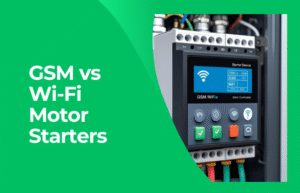
GSM vs Wi-Fi Motor Starters: Which One Should Farmers Choose?
Best SIM Cards & Mobile Networks for GSM Pump Controllers in Rural Area
Remote Pump Automation Without GSM – What Are the Alternatives?
The Role of GSM Controllers in Smart Farming