The Future of GSM Starters: 4G, 5G, WiFi, and IoT Integration
The world of agriculture is entering a new era where connectivity and automation are no longer optional but essential. Traditional GSM-based pump starters have already transformed how farmers control irrigation remotely. But with 2G networks being phased out and advanced technologies like 4G, 5G, WiFi, and IoT coming into play, the future of GSM starters looks even more promising. Let’s explore how the next generation of IoT GSM motor controllers will revolutionize farming efficiency and sustainability.
Why 2G is Becoming Obsolete for GSM Starters
For the last decade, most GSM starters have relied on 2G networks to send SMS alerts or respond to phone commands. However, telecom providers worldwide are shutting down 2G towers to free up spectrum for faster networks. This means devices that only work on 2G may stop functioning within the next few years.
Farmers who have invested in older models must consider future-ready alternatives. This is where GSM vs IoT mobile starters becomes an important comparison, as IoT-ready models are designed to work with newer networks and offer cloud-based control.
Role of 4G/5G in Faster Data Transmission
The move to 4G and 5G brings more than just speed. For GSM starters, it means:
- Instant command response: Pumps turn on or off almost immediately when triggered via app or cloud platform.
- Real-time monitoring: Farmers can track voltage, current, and pump status without lag.
- High-volume data transfer: Unlike SMS-based systems, 4G/5G supports mobile apps with detailed dashboards and graphs.
Faster connectivity also benefits remote monitoring of GSM pump controllers, where live fault alerts, running hours, and sensor data can help prevent costly downtime.
WiFi-Based GSM Starters: A Local Alternative
While GSM-based devices rely on SIM cards and mobile networks, some farmers are exploring WiFi-enabled pump controllers. These are ideal for farms that already have stable WiFi connections or use long-range routers for coverage. WiFi controllers often provide:
- Direct app-based control without recurring SIM recharge costs
- Higher data bandwidth for detailed logs and analytics
- Integration with smart home systems and Alexa/Google Assistant
However, WiFi-based systems have a drawback-they stop working if internet connectivity drops. This is why many advanced devices combine GSM + WiFi for reliability, ensuring pumps remain controllable even during outages.
GSM + IoT: Smart Farming Revolution
The integration of IoT (Internet of Things) with GSM starters is where the real transformation happens. An IoT GSM motor controller can do more than respond to commands-it can collect data, analyze it, and make autonomous decisions. For example:
- Adjust irrigation schedules based on soil moisture sensors.
- Shut down pumps automatically during dry-run protection scenarios.
- Sync with weather APIs to avoid unnecessary irrigation during rain.
- Send predictive alerts when motors show early signs of overload or imbalance.
Farmers adopting IoT-ready systems are essentially upgrading from manual control to an automated farm management tool.
Predictions for the Next 5 Years
The farming technology landscape is evolving rapidly. Here’s what we can expect:
- End of 2G devices: 2G-only GSM starters will fade away, replaced by 4G/5G and hybrid IoT systems.
- AI integration: As discussed in AI in GSM starters, pumps will make smarter, automated decisions based on data patterns.
- Solar-compatible designs: With growing renewable adoption, expect more solar-compatible GSM starters that work efficiently with off-grid systems.
- Unified apps: Farmers will manage pumps, livestock watering, and field sensors from a single app ecosystem.
- Lower costs: Mass adoption will make IoT-based pump controllers more affordable, ensuring even small farmers benefit.
Benefits of Upgrading to Modern GSM/IoT Starters
The move toward advanced GSM and IoT starters is not just about technology-it’s about real-world benefits for farmers:
- Reduced electricity costs through precise pump scheduling.
- Improved crop yield due to optimized irrigation cycles.
- Lower maintenance costs thanks to predictive monitoring.
- Convenience of app-based access from anywhere.
- Peace of mind knowing motors are protected from faults.
Final Thoughts
The future of GSM starters is far more advanced than simply switching pumps on and off. With 4G and 5G speeds, WiFi options, and IoT integration, they are evolving into powerful tools for smart agriculture. For farmers planning long-term, choosing an IoT-ready GSM motor controller ensures their irrigation system is reliable, efficient, and future-proof.
If you’re deciding between GSM, WiFi, or IoT options, exploring comparisons like GSM vs IoT Mobile Starters will help make the right investment decision.
Frequently Asked Questions
Will my old 2G GSM starter still work?
It depends on your local telecom provider. As 2G networks are phased out, older devices may stop functioning. Upgrading to 4G/IoT models is the best long-term solution.
What’s the difference between GSM and WiFi pump controllers?
GSM controllers use SIM cards and mobile networks, making them reliable even in remote areas without broadband. WiFi controllers are faster but need a stable internet connection.
How does IoT improve GSM starters?
IoT enables advanced features like remote monitoring, predictive fault detection, and automatic scheduling based on sensor data, turning GSM starters into smart farm management tools.
Will GSM starters work with solar pumps?
Yes, many solar-compatible GSM starters are designed to integrate with renewable energy systems, ensuring sustainable irrigation.
Get Prices from Verified Mobile Starters Sellers Near You
We connect you with trusted and verified sellers near you. Get the best deals, fast and hassle-free!
Popular Products from Verified Sellers
Read Other Posts on Mobile Starters
The Complete Guide to Mobile Starters & GSM Controllers for Farmers
How to Install a Mobile Starter for Your Water Pump – Step-by-Step Guide
How Dry-Run Protection Works in GSM Starters and Why It Saves Motors
Understanding Three-Phase vs Single-Phase Mobile Starters for Agriculture
Solar-Compatible GSM Starters: Setup & Best Practices for Off-Grid Irrigation
Best GSM Mobile Starters for Farmers in 2025 – Features, Pricing & Reviews
Top GSM Starters Under ₹5000 – Budget Picks That Last
Where to Buy GSM Mobile Starters for Your Water Pump in India
Troubleshooting GSM Mobile Starters: Step-by-Step Guide to Fix Common Problems
Maintenance Guide for GSM Mobile Starters: Keep Your Pump Control System Running Smoothly
GSM vs IoT Mobile Starters: Which Remote Motor Control Technology is Right for You?
Mobile Starters for Agriculture Pumps and Motors: A Complete Guide for Farmers
How GSM Starters Improve Motor Efficiency and Power Savings
Remote Monitoring: What Data GSM Controllers Can Provide to Farmers
Importance of GSM Starters in Dairy Farming & Livestock Watering Systems
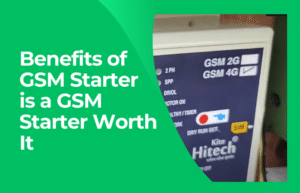
Benefits of GSM Starters- Is a GSM Starter Worth It for Small Farmers?
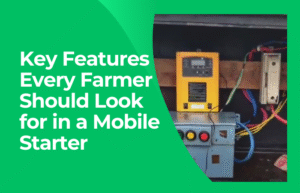
Key Features Every Farmer Should Look for in a Mobile Starter
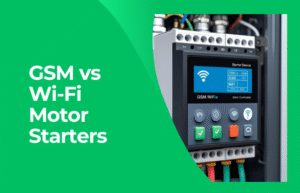
GSM vs Wi-Fi Motor Starters: Which One Should Farmers Choose?
How GSM and IoT Together Are Changing Indian Agriculture
Best SIM Cards & Mobile Networks for GSM Pump Controllers in Rural Area
Remote Pump Automation Without GSM – What Are the Alternatives?
The Role of GSM Controllers in Smart Farming