Remote Pump Automation Without GSM – What Are the Alternatives?
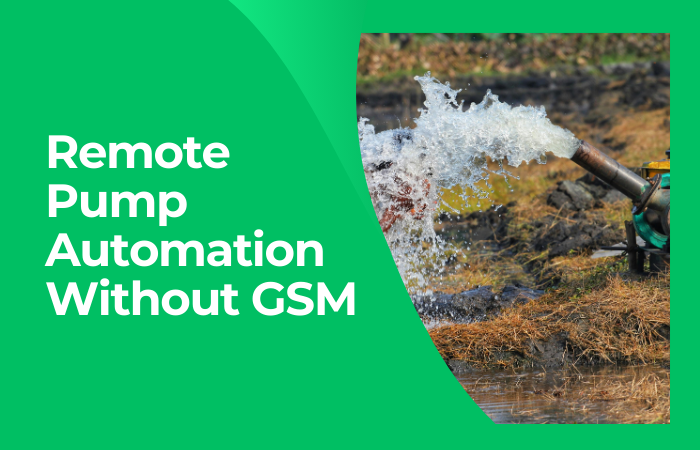
GSM controllers have become one of the most popular ways for farmers to remotely manage pumps and motors. But what if you are in an area with poor mobile network coverage or want to explore alternatives? This guide looks at the main non-GSM pump automation technologies available in rural and semi-urban India, along with their advantages and limitations.
1. Wi-Fi Based Motor Starters
Wi-Fi starters connect to a local internet network, usually through a broadband connection or a hotspot device. They allow pump control via a smartphone app.
- Pros: High-speed communication, real-time monitoring, app-based features.
- Cons: Limited to areas with reliable Wi-Fi/internet coverage. Not suitable for remote farms far from routers.
For a detailed comparison, see: GSM vs Wi-Fi Motor Starters: Which One Should Farmers Choose?
2. RF (Radio Frequency) Remote Systems
RF-based systems use dedicated handheld remotes to switch pumps on and off. These work without any internet or SIM card.
- Pros: No dependency on mobile signal or internet. Simple and low-cost.
- Cons: Very short range (usually a few hundred meters). Not suitable for large or distant farms.
3. Timer-Based Automation
Some farmers rely on digital timers to automate irrigation schedules. Pumps start and stop at fixed times, regardless of real-time conditions.
- Pros: Very affordable and reliable once set up.
- Cons: No flexibility – cannot respond to unexpected rainfall, power cuts, or emergencies.
4. IoT & Cloud-Based Controllers
Beyond GSM, the next big step is IoT-enabled pump controllers that connect via 4G/5G or satellite networks. These devices send real-time data to dashboards and can integrate with smart farming systems.
- Pros: Advanced data logging, sensor integration, and AI-driven automation.
- Cons: High upfront cost, requires stable connectivity, and farmer training.
5. Manual Alternatives
In some cases, farmers still depend on manual switches or local operators to turn pumps on and off. While not truly “remote automation,” this is still widely practiced in rural India.
- Pros: No technology investment needed.
- Cons: Labor-intensive, time-consuming, and less efficient compared to GSM or IoT solutions.
Which Option is Right for You?
If a mobile signal is available, GSM mobile starters remain the best balance between cost, reliability, and ease of use. In poor-signal areas, RF or timer-based systems can serve as backup solutions, while IoT systems represent the future of fully automated smart farming.
Read Next Guides
- Back to: The Complete Guide to Mobile Starters & GSM Controllers
- Poor network in your farm? Read: How GSM Controllers Work in Poor Signal Areas
- Thinking about Wi-Fi options? See: GSM vs Wi-Fi Motor Starters
- Looking ahead? Explore: The Future of GSM Starters – 4G, 5G, Wi-Fi & IoT
Get Prices from Verified Mobile Starters Sellers Near You
We connect you with trusted and verified sellers near you. Get the best deals, fast and hassle-free!
Popular Products from Verified Sellers
Read Other Posts on Mobile Starters
The Complete Guide to Mobile Starters & GSM Controllers for Farmers
How to Install a Mobile Starter for Your Water Pump – Step-by-Step Guide
How Dry-Run Protection Works in GSM Starters and Why It Saves Motors
Understanding Three-Phase vs Single-Phase Mobile Starters for Agriculture
Solar-Compatible GSM Starters: Setup & Best Practices for Off-Grid Irrigation
Best GSM Mobile Starters for Farmers in 2025 – Features, Pricing & Reviews
Top GSM Starters Under ₹5000 – Budget Picks That Last
Where to Buy GSM Mobile Starters for Your Water Pump in India
Troubleshooting GSM Mobile Starters: Step-by-Step Guide to Fix Common Problems
Maintenance Guide for GSM Mobile Starters: Keep Your Pump Control System Running Smoothly
GSM vs IoT Mobile Starters: Which Remote Motor Control Technology is Right for You?
Mobile Starters for Agriculture Pumps and Motors: A Complete Guide for Farmers
How GSM Starters Improve Motor Efficiency and Power Savings
Remote Monitoring: What Data GSM Controllers Can Provide to Farmers
The Future of GSM Starters: 4G, 5G, WiFi, and IoT Integration
Importance of GSM Starters in Dairy Farming & Livestock Watering Systems
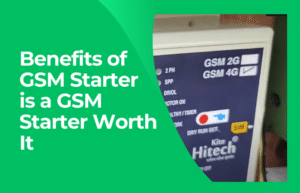
Benefits of GSM Starters- Is a GSM Starter Worth It for Small Farmers?
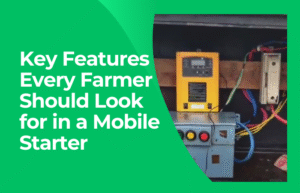
Key Features Every Farmer Should Look for in a Mobile Starter
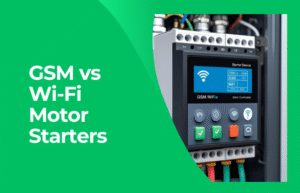
GSM vs Wi-Fi Motor Starters: Which One Should Farmers Choose?
How GSM and IoT Together Are Changing Indian Agriculture
Best SIM Cards & Mobile Networks for GSM Pump Controllers in Rural Area
The Role of GSM Controllers in Smart Farming