Key Features Every Farmer Should Look for in a Mobile Starter
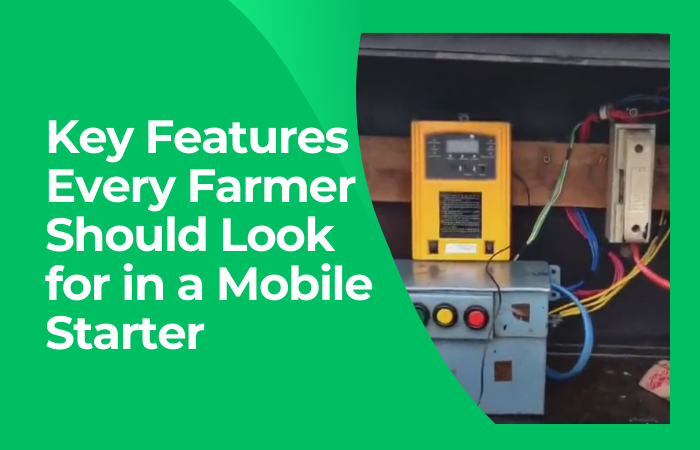
For Indian farmers, water pumps are the lifeline of agriculture. But starting and managing motors manually means traveling to fields at odd hours, dealing with unsafe wiring, and worrying about power fluctuations. That’s where GSM Mobile Starters come in – allowing farmers to operate pumps using their mobile phone. Still, not all GSM starters are the same. Some models come with essential safety features and smart functions, while others are bare minimum. Knowing which features matter most can save you time, money, and effort.
This guide explains the key features every farmer should look for in a mobile starter before buying. By the end, you’ll know exactly what to check when comparing different brands or models.
1. Dry-Run Protection 🛑
Dry-run protection is one of the most important features. When your pump runs without water, it can burn out quickly, leading to costly motor rewinding or replacement. A GSM starter with dry-run detection automatically shuts down the motor if water flow stops. This is especially useful for borewell and submersible pumps where water levels fluctuate.
Example: In drought-prone areas of Maharashtra, farmers often face low water levels. With dry-run protection, they don’t have to worry about checking water flow manually.
2. Overload & Short-Circuit Safety ⚡
Indian villages often face voltage fluctuations and sudden power surges. A quality GSM starter includes overload and short-circuit protection that cuts off the motor during unsafe conditions. This not only saves the pump but also prevents fire hazards from faulty wiring.
Some advanced models even send an SMS alert to the farmer when an overload occurs, so they know the reason for the shutdown.
3. Wide Compatibility with Pumps 💧
Not every farmer uses the same type of motor. Some use single-phase pumps (common for small farms), while others need three-phase starters (for larger irrigation systems). A good GSM starter should support different pump capacities, ideally from 1 HP to 25 HP, to cover most agricultural needs.
When buying, check if the device specifically mentions compatibility with your pump type. Multi-phase compatible models are better if you plan to expand your farm in the future.
4. Strong Mobile Network Range 📶
Farmers often complain that their starter doesn’t work because of weak signal strength in the field. That’s why it’s important to check if the model has:
- Built-in high-gain antennas
- Support for multiple networks (2G, 3G, 4G)
- Compatibility with local SIM cards like Jio, Airtel, or BSNL
If your farm is in a low-signal zone, look for starters designed for poor connectivity. Some even allow external antenna attachments to boost reception.
5. Battery Backup 🔋
A mobile starter runs on a small internal battery that keeps it functional during power cuts. Without this, your device won’t respond to mobile commands if electricity is down. Choose a model with long-lasting battery backup (at least 8–12 hours of standby).
Battery health is also important in regions with frequent load shedding, such as rural Uttar Pradesh or Bihar.
6. User-Friendly Mobile App 📱
Earlier GSM starters relied only on SMS commands. Now, many brands offer smartphone apps that give more control. A good app should allow you to:
- Switch motor ON/OFF with one tap
- Check live motor status (running, stopped, fault)
- View voltage and current levels
- Receive instant alerts for dry-run or overload
This makes irrigation management much simpler, especially for younger farmers comfortable with mobile technology.
7. Solar Compatibility ☀️
As more farmers adopt solar-powered pumps, a solar-compatible GSM starter is becoming essential. These starters are designed to work with a DC supply and protect against sudden changes in solar power availability. For farmers looking to save electricity bills, this is a must-have feature.
8. Cost & Warranty 💰
Farmers are often tempted by cheaper models, but not all provide reliable safety. Instead of choosing only by price, check what warranty the manufacturer provides. A 1-year warranty is standard, while some premium models offer 2 years. Also, guides like best GSM starters under ₹5000 can help compare cost-effective yet reliable options.
9. Service & Support 🛠️
Even the best starter may face issues after years of usage. That’s why after-sales support is critical. Check if the company has dealers or service centers nearby. Some brands also offer remote troubleshooting via customer care, which can save time.
10. Extra Smart Features 🌐
A few advanced models provide additional functions like:
- Scheduling timers for irrigation cycles
- Multi-user access (so family members can control pumps)
- Integration with soil moisture or weather sensors
- Cloud-based data storage and analysis
These are not mandatory for every farmer, but can be useful for large farms or tech-driven agriculture.
Final Thoughts
When buying a GSM mobile starter, don’t just focus on cost. Look at safety features, compatibility, signal strength, and after-sales support. A slightly higher investment in a quality starter can prevent major losses in pump repair, wasted electricity, and irrigation delays. With the right choice, farmers get peace of mind, more control, and better crop yields.
Back to: The Complete Guide to Mobile Starters & GSM Controllers
Read Next Guides
- New to components? Read: Inside a GSM Controller
- Still choosing motor type? See: Three-Phase vs Single-Phase
- Worried about safety? Learn: Dry-Run Protection Explained
- Looking for affordable options? Check: Best GSM Starters Under ₹5000
Get Prices from Verified Mobile Starters Sellers Near You
We connect you with trusted and verified sellers near you. Get the best deals, fast and hassle-free!
Popular Products from Verified Sellers
Read Other Posts on Mobile Starters
The Complete Guide to Mobile Starters & GSM Controllers for Farmers
How to Install a Mobile Starter for Your Water Pump – Step-by-Step Guide
How Dry-Run Protection Works in GSM Starters and Why It Saves Motors
Understanding Three-Phase vs Single-Phase Mobile Starters for Agriculture
Solar-Compatible GSM Starters: Setup & Best Practices for Off-Grid Irrigation
Best GSM Mobile Starters for Farmers in 2025 – Features, Pricing & Reviews
Top GSM Starters Under ₹5000 – Budget Picks That Last
Where to Buy GSM Mobile Starters for Your Water Pump in India
Troubleshooting GSM Mobile Starters: Step-by-Step Guide to Fix Common Problems
Maintenance Guide for GSM Mobile Starters: Keep Your Pump Control System Running Smoothly
GSM vs IoT Mobile Starters: Which Remote Motor Control Technology is Right for You?
Mobile Starters for Agriculture Pumps and Motors: A Complete Guide for Farmers
How GSM Starters Improve Motor Efficiency and Power Savings
Remote Monitoring: What Data GSM Controllers Can Provide to Farmers

The Future of GSM Starters: 4G, 5G, WiFi, and IoT Integration
Importance of GSM Starters in Dairy Farming & Livestock Watering Systems
Benefits of GSM Starters- Is a GSM Starter Worth It for Small Farmers?
GSM vs Wi-Fi Motor Starters: Which One Should Farmers Choose?
How GSM and IoT Together Are Changing Indian Agriculture
Best SIM Cards & Mobile Networks for GSM Pump Controllers in Rural Area
Remote Pump Automation Without GSM – What Are the Alternatives?
The Role of GSM Controllers in Smart Farming