The Role of GSM Controllers in Smart Farming
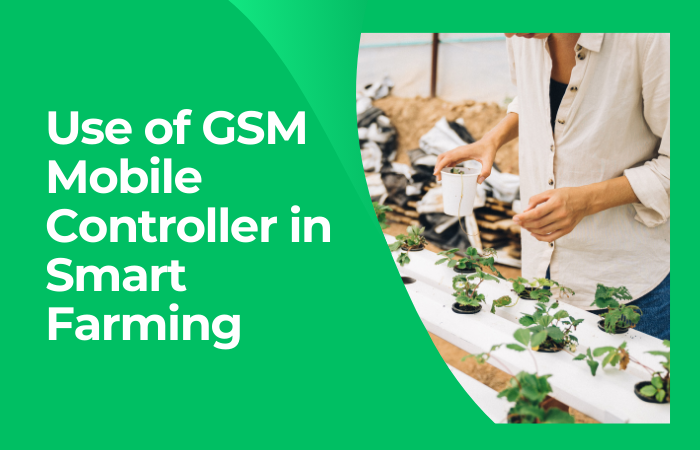
Smart farming is no longer a distant concept- it’s happening now in fields across India and beyond. At the heart of this transformation are GSM controllers, devices that allow farmers to remotely operate pumps, motors, and irrigation systems directly from their mobile phones. But GSM technology does more than just “start and stop” a motor- it is becoming a cornerstone of connected agriculture.
Back to: The Ultimate Handbook and Guide on Mobile Starters and GSM Controllers for Agriculture
What Makes Farming “Smart”?
Smart farming combines traditional agricultural practices with modern technologies such as sensors, automation, and remote control. The goal is simple: increase productivity, save costs, and optimize resources. GSM controllers fit perfectly into this framework because they eliminate the need for manual labor at the pump site, improve irrigation scheduling, and even help monitor performance.
How GSM Controllers Enable Smart Farming
- Remote Access: Farmers can start or stop motors using a simple mobile call or SMS, reducing travel time and labor costs.
- Automation: GSM controllers can be paired with timers or soil moisture sensors to automatically irrigate when required.
- Energy Efficiency: With power-saving features, motors run only when necessary, cutting electricity bills.
- Dry-Run Protection: Many GSM starters come with safety mechanisms that prevent damage to motors when water levels are too low.
- Data Collection: Advanced GSM controllers can log operating hours, water usage, and even fault alerts, helping farmers make informed decisions.
Integration with Other Smart Farming Tools
One of the biggest strengths of GSM technology is its ability to integrate with other smart devices:
- Soil Moisture Sensors: Automate irrigation only when the soil is dry, saving water.
- Weather Data: Connect GSM controllers with weather updates to avoid irrigating before rainfall.
- Solar Power Systems: Many farmers are already exploring solar-compatible GSM starters to reduce reliance on grid electricity.
- IoT Platforms: Advanced models send data to cloud dashboards, giving farmers real-time visibility.
Challenges in Smart Farming Adoption
While GSM controllers bring undeniable benefits, there are challenges to adoption:
- Network Coverage: Poor mobile signal in rural areas can affect performance. See our guide: How GSM Controllers Operate in Areas with Poor Mobile Signal.
- Cost Factor: Although prices have dropped, some advanced models may still be expensive for small farmers.
- Training & Awareness: Farmers need guidance to fully leverage smart farming tools.
The Future of GSM in Smart Farming
As agriculture moves toward full automation, GSM controllers will continue to evolve. Features such as 4G/5G connectivity, cloud integration, and AI-based decision-making are already entering the market. This makes GSM controllers not just a tool for convenience, but a gateway to future-ready farming.
Read Next Guides
- Want to save more energy? Read: How GSM Starters Improve Motor Efficiency
- Struggling with connectivity? See: How GSM Controllers Work in Poor Signal Areas
- Exploring renewable energy? Check: Solar-Compatible GSM Starters
Get Prices from Verified Mobile Starters Sellers Near You
We connect you with trusted and verified sellers near you. Get the best deals, fast and hassle-free!
Popular Products from Verified Sellers
Read Other Posts on Mobile Starters
The Complete Guide to Mobile Starters & GSM Controllers for Farmers
How to Install a Mobile Starter for Your Water Pump – Step-by-Step Guide
How Dry-Run Protection Works in GSM Starters and Why It Saves Motors
Understanding Three-Phase vs Single-Phase Mobile Starters for Agriculture
Solar-Compatible GSM Starters: Setup & Best Practices for Off-Grid Irrigation
Best GSM Mobile Starters for Farmers in 2025 – Features, Pricing & Reviews
Top GSM Starters Under ₹5000 – Budget Picks That Last
Where to Buy GSM Mobile Starters for Your Water Pump in India
Troubleshooting GSM Mobile Starters: Step-by-Step Guide to Fix Common Problems
Maintenance Guide for GSM Mobile Starters: Keep Your Pump Control System Running Smoothly
GSM vs IoT Mobile Starters: Which Remote Motor Control Technology is Right for You?
Mobile Starters for Agriculture Pumps and Motors: A Complete Guide for Farmers
How GSM Starters Improve Motor Efficiency and Power Savings
Remote Monitoring: What Data GSM Controllers Can Provide to Farmers
The Future of GSM Starters: 4G, 5G, WiFi, and IoT Integration
Importance of GSM Starters in Dairy Farming & Livestock Watering Systems
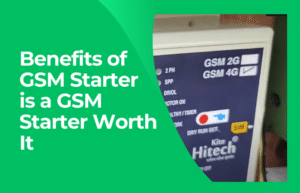
Benefits of GSM Starters- Is a GSM Starter Worth It for Small Farmers?
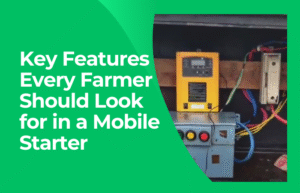
Key Features Every Farmer Should Look for in a Mobile Starter
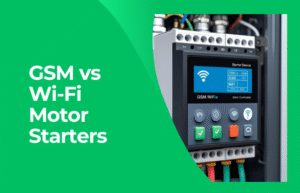
GSM vs Wi-Fi Motor Starters: Which One Should Farmers Choose?
How GSM and IoT Together Are Changing Indian Agriculture
Best SIM Cards & Mobile Networks for GSM Pump Controllers in Rural Area
Remote Pump Automation Without GSM – What Are the Alternatives?