Solar-Compatible GSM Starters: Setup & Best Practices for Off-Grid Irrigation
For farms with unreliable grid power, or none at all– pairing solar PV with a GSM mobile starter lets you start, stop, and protect your pump remotely while running on clean energy. This guide explains the system options, sizing basics, wiring flow, and field-tested best practices so you can deploy a dependable off-grid or hybrid irrigation setup.
Complete Guide to Mobile Starters & GSM Controllers
What Is a Solar-Compatible GSM Starter?
A solar-compatible GSM starter is a controller that accepts commands by missed call/SMS/app and safely switches a solar-powered pump on/off. It integrates with solar hardware (VFD/MPPT/inverter) and includes protections like dry-run protection, overload, and (for three-phase) phase monitoring.
Common System Architectures
- DC Solar Pump + GSM Controller (No Inverter): PV array feeds a DC pump via an MPPT/VFD. The GSM starter switches the control side and monitors the protections. Efficient, fewer conversions; ideal for 0.5–3 HP systems and drip/sprinkler setups.
- AC Pump + Solar VFD/Inverter + GSM Starter: PV array → solar VFD/inverter → AC motor. The GSM starter commands the VFD and handles safety interlocks. Suitable for 1–10 HP and beyond. Good when you already own an AC pump.
- Hybrid (Solar + Grid + Optional Genset): Automatic source selection (solar first, then grid/genset). The GSM starter coordinates start/stop and respect the available source. Ideal where the grid is intermittent.
Core Components Checklist
- PV array with string combiner (fuses/isolators/MC4)
- Solar VFD or MPPT controller
- GSM mobile starter
- Pump & motor (single-phase or three-phase)
- Protection: DC & AC MCB/MCCB, SPD, earthing/lightning protection
- Optional: Battery bank, sensors, external GSM antenna
- Enclosure: IP65+ weatherproof
Quick Sizing Basics
- Motor power: 1 HP ≈ 746 W
- PV sizing for AC pumps: 1.6×–2.2× motor kW
- PV sizing for DC pumps: 1.3×–1.8× hydraulic power
- Pumping window: 5–7 peak-sun hours
- Hydraulics first: Optimise pipe diameter and impeller
Tip: For pre-dawn watering, use a battery buffer or hybrid setup.
Wiring & Control Flow
- PV strings → combiner → VFD/MPPT
- VFD/MPPT → motor/pump
- GSM starter low-voltage I/O → VFD enable/run or contactor coil
- Sensors → GSM/VFD inputs
Safety note: Isolate GSM control from high-power lines; use interlocks for dry-run/overload protection.
Best Practices
- Test GSM signal; use an external antenna if needed
- Proper earthing & lightning protection
- Shade and ventilate electronics
- Use UV-rated cables and correct fittings
- Install protections on both DC & AC sides
- Calibrate dry-run thresholds
- Schedule irrigation during high irradiance
- Enable alerts for trip reasons
Commissioning Checklist
- Check motor rotation and VFD profile
- Program protections and delays
- Test dry-run protection
- Verify remote control functions
- Label isolators and document wiring
Common Pitfalls
- Oversized pump: Recheck hydraulics
- False dry-run trips: Calibrate thresholds and add debounce delay
- Low GSM signal: Use an external antenna
- Electronics overheating: Shade and ventilate
FAQs
Can I convert my AC pump to solar with a GSM starter?
Yes, add a solar VFD/inverter and connect the GSM starter to the control side.
Do I need batteries?
No, unless you need early/late pumping or backup alerts.
Will it work in low-signal areas?
Yes, with an external antenna, SMS/missed call control works on weak networks.
Next Steps & Related Guides
- Understand the Core Parts: Inside a GSM Controller– Components, Circuit & Functions Explained
- Choose the Right Motor Starter: Three-Phase vs Single-Phase Mobile Starters for Farmers
- Install Safely: Step-by-Step Guide to Installing a GSM Mobile Starter
Key takeaway: Size PV correctly, use proper protections, calibrate controls, and schedule irrigation during peak sun for reliable, low-cost operation.
Get Prices from Verified Mobile Starters Sellers Near You
We connect you with trusted and verified sellers near you. Get the best deals, fast and hassle-free!
Popular Products from Verified Sellers
Read Other Posts on Mobile Starters
The Complete Guide to Mobile Starters & GSM Controllers for Farmers
How to Install a Mobile Starter for Your Water Pump – Step-by-Step Guide
How Dry-Run Protection Works in GSM Starters and Why It Saves Motors
Understanding Three-Phase vs Single-Phase Mobile Starters for Agriculture
Best GSM Mobile Starters for Farmers in 2025 – Features, Pricing & Reviews
Top GSM Starters Under ₹5000 – Budget Picks That Last
Where to Buy GSM Mobile Starters for Your Water Pump in India
Troubleshooting GSM Mobile Starters: Step-by-Step Guide to Fix Common Problems
Maintenance Guide for GSM Mobile Starters: Keep Your Pump Control System Running Smoothly
GSM vs IoT Mobile Starters: Which Remote Motor Control Technology is Right for You?
Mobile Starters for Agriculture Pumps and Motors: A Complete Guide for Farmers
How GSM Starters Improve Motor Efficiency and Power Savings
Remote Monitoring: What Data GSM Controllers Can Provide to Farmers

The Future of GSM Starters: 4G, 5G, WiFi, and IoT Integration

Importance of GSM Starters in Dairy Farming & Livestock Watering Systems
Benefits of GSM Starters- Is a GSM Starter Worth It for Small Farmers?
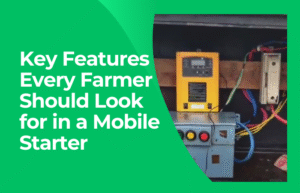
Key Features Every Farmer Should Look for in a Mobile Starter
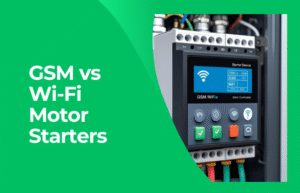
GSM vs Wi-Fi Motor Starters: Which One Should Farmers Choose?
How GSM and IoT Together Are Changing Indian Agriculture
Best SIM Cards & Mobile Networks for GSM Pump Controllers in Rural Area

Remote Pump Automation Without GSM – What Are the Alternatives?

The Role of GSM Controllers in Smart Farming