Understanding Three-Phase vs Single-Phase Mobile Starters for Agriculture
When it comes to powering water pumps on farms, one of the first decisions you’ll face is whether to use a three-phase or a single-phase motor- and that choice directly affects which type of GSM mobile starter you’ll need.
Choosing the right setup is more than just a technical decision. It impacts your electricity costs, motor performance, pump capacity, and long-term reliability.
This guide breaks down the differences in plain language so farmers, electricians, and technicians can make informed choices.
The Basics: What Do “Single-Phase” and “Three-Phase” Mean?
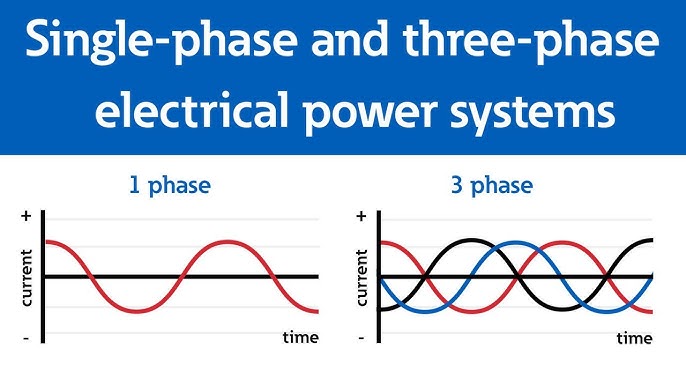
- Single-Phase Power
- Uses two wires: one live and one neutral.
- Delivers power in a single, alternating voltage wave.
- Common in small households, small farms, and rural homes.
- Three-Phase Power
- Uses three live wires (sometimes plus neutral).
- Delivers three alternating waves, each offset by 120°.
- Provides smoother, more consistent power delivery, ideal for heavy loads.
How This Affects Agricultural Motors
| Feature | Single-Phase Motor | Three-Phase Motor |
|---|---|---|
| Power Output | Typically up to 3 HP | Can handle from 3 HP to 100+ HP |
| Starting Torque | Lower, needs a capacitor start | High, starts easily under load |
| Efficiency | Slightly lower | Higher, better for long runs |
| Motor Size | Smaller pumps, domestic use | Large irrigation pumps, borewell systems |
| Cost | Cheaper upfront | Higher upfront but more efficient |
Mobile Starters for Single-Phase vs Three-Phase
- Single-Phase GSM Starters
- Designed for smaller pumps, typically up to 3 HP.
- Uses a single relay/contactor rated for single-phase current.
- Often includes overload protection and dry-run features.
- Three-Phase GSM Starters
- Built for large irrigation setups.
- Uses a three-pole contactor and phase-monitoring circuitry.
- Includes phase-failure and phase-reversal protection to avoid damage.
Key Protection Features in Three-Phase Starters
Since three-phase pumps are costlier and more powerful, their starters usually include:
- Phase-Failure Protection – Shuts down if one phase is lost to prevent winding burnouts.
- Phase-Reversal Protection – Stops the pump from running in the reverse direction.
- Overload Protection – Prevents overheating when the pump is under heavy load.
- Dry-Run Protection – Cuts power when water is unavailable.
When to Choose Single-Phase
- You have low-power requirements (e.g., small vegetable plot irrigation).
- Power supply in your area is only single-phase.
- You want a lower initial investment.
When to Choose Three-Phase
- You’re running large pumps or multiple pumps.
- Your supply line already supports three-phase power.
- You need maximum efficiency for long irrigation sessions.
GSM Control Advantages for Both Types
No matter the phase, GSM mobile starters give you:
- Remote ON/OFF control via call, SMS, or app.
- Fault alerts for overload, dry-run, or phase issues.
- Reduced trips to the farm, saving time and fuel.
Cost Considerations
While three-phase motors and starters cost more upfront, they pay off over time through lower energy bills and reduced maintenance for high-capacity setups.
Single-phase systems are cheaper initially but may not meet water demands for large fields.
Conclusion
The choice between a single-phase and a three-phase GSM starter depends on your pump size, water requirements, and available power supply.
If you have a high-horsepower pump and access to three-phase power, go for the three-phase GSM starter with built-in protections. For smaller setups, a single-phase GSM starter is more economical and easier to install.
Get Prices from Verified Mobile Starters Sellers Near You
We connect you with trusted and verified sellers near you. Get the best deals, fast and hassle-free!
Popular Products from Verified Sellers
Read Other Posts on Mobile Starters
The Complete Guide to Mobile Starters & GSM Controllers for Farmers
How to Install a Mobile Starter for Your Water Pump – Step-by-Step Guide
How Dry-Run Protection Works in GSM Starters and Why It Saves Motors
Solar-Compatible GSM Starters: Setup & Best Practices for Off-Grid Irrigation
Best GSM Mobile Starters for Farmers in 2025 – Features, Pricing & Reviews
Top GSM Starters Under ₹5000 – Budget Picks That Last
Where to Buy GSM Mobile Starters for Your Water Pump in India
Troubleshooting GSM Mobile Starters: Step-by-Step Guide to Fix Common Problems
Maintenance Guide for GSM Mobile Starters: Keep Your Pump Control System Running Smoothly
GSM vs IoT Mobile Starters: Which Remote Motor Control Technology is Right for You?
Mobile Starters for Agriculture Pumps and Motors: A Complete Guide for Farmers
How GSM Starters Improve Motor Efficiency and Power Savings
Remote Monitoring: What Data GSM Controllers Can Provide to Farmers

The Future of GSM Starters: 4G, 5G, WiFi, and IoT Integration
Importance of GSM Starters in Dairy Farming & Livestock Watering Systems

Benefits of GSM Starters- Is a GSM Starter Worth It for Small Farmers?

Key Features Every Farmer Should Look for in a Mobile Starter
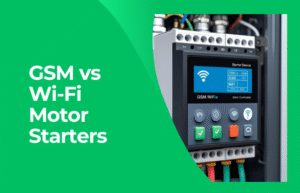
GSM vs Wi-Fi Motor Starters: Which One Should Farmers Choose?
How GSM and IoT Together Are Changing Indian Agriculture
Best SIM Cards & Mobile Networks for GSM Pump Controllers in Rural Area
Remote Pump Automation Without GSM – What Are the Alternatives?
The Role of GSM Controllers in Smart Farming