GSM vs IoT Mobile Starters: Which Remote Motor Control Technology is Right for You?
Remote motor control has evolved rapidly in the last decade. While GSM mobile starters have been the go-to solution for farmers and industries, newer IoT-enabled mobile starters are emerging with advanced monitoring and automation features. But how do they compare, and which one should you choose? This guide will break down the differences between GSM and IoT mobile starters so you can make an informed decision.
What is a GSM Mobile Starter?
A GSM mobile starter uses a SIM card and the cellular network to allow you to start, stop, and monitor your pump or motor remotely. Commands are sent via SMS, missed calls, or dedicated mobile apps. GSM starters are reliable in areas with basic 2G/3G/4G coverage and are widely used for both single-phase and three-phase motors.
What is an IoT Mobile Starter?
An IoT (Internet of Things) mobile starter uses internet-connected modules (often via Wi-Fi, 4G, or LoRa) to control and monitor your pump in real-time through cloud-based platforms. This allows for detailed analytics, live dashboards, and integration with automation systems. Some models also connect with smart assistants or farm management software.
Key Differences Between GSM and IoT Mobile Starters
| Feature | GSM Mobile Starter | IoT Mobile Starter |
|---|---|---|
| Connectivity | Cellular network via SIM (SMS/app) | Internet via Wi-Fi, 4G, LoRa, NB-IoT |
| Control | SMS commands, app, missed calls | Cloud dashboard, app, voice assistants |
| Data | Basic alerts (on/off, fault) | Real-time analytics, energy usage, logs |
| Cost | Lower upfront, low SIM plan cost | Higher upfront, possible subscription fees |
| Network Dependency | Works in 2G/3G areas | Needs a stable internet or an advanced IoT network |
| Best For | Rural/agriculture with mobile coverage | Smart farms, industries with high data needs |
Pros and Cons
GSM Mobile Starter
- Pros: Affordable, easy to use, works in rural areas, minimal setup
- Cons: Limited data feedback, depends on SMS delivery speed
IoT Mobile Starter
- Pros: Real-time data, integration with automation, and advanced control
- Cons: Higher cost, requires stable internet, sometimes subscription-based
Which Should You Choose?
If you operate in an area with good mobile coverage but limited internet, a GSM mobile starter is still the most reliable choice. For modern farms or industrial setups where data analytics and automation are important, IoT mobile starters can be a game-changer.
For reliability in harsh conditions, ensure you follow a proper maintenance routine and refer to our troubleshooting guide if problems occur.
Future Trends
The line between GSM and IoT starters is blurring — some manufacturers now offer hybrid models that can operate via both SMS and cloud dashboards. As IoT networks expand into rural areas, expect more affordable options with built-in smart analytics.
Conclusion
Both GSM and IoT mobile starters have their place, depending on your needs, location, and budget. Understanding the trade-offs will help you pick the right solution and avoid unnecessary costs. For more buying help, see our GSM mobile starters buying guide for India and our best GSM mobile starters list for 2025.
Get Prices from Verified Mobile Starters Sellers Near You
We connect you with trusted and verified sellers near you. Get the best deals, fast and hassle-free!
Popular Products from Verified Sellers
Read Other Posts on Mobile Starters
The Complete Guide to Mobile Starters & GSM Controllers for Farmers
How to Install a Mobile Starter for Your Water Pump – Step-by-Step Guide
How Dry-Run Protection Works in GSM Starters and Why It Saves Motors
Understanding Three-Phase vs Single-Phase Mobile Starters for Agriculture
Solar-Compatible GSM Starters: Setup & Best Practices for Off-Grid Irrigation
Best GSM Mobile Starters for Farmers in 2025 – Features, Pricing & Reviews
Top GSM Starters Under ₹5000 – Budget Picks That Last
Where to Buy GSM Mobile Starters for Your Water Pump in India
Troubleshooting GSM Mobile Starters: Step-by-Step Guide to Fix Common Problems
Maintenance Guide for GSM Mobile Starters: Keep Your Pump Control System Running Smoothly
Mobile Starters for Agriculture Pumps and Motors: A Complete Guide for Farmers
How GSM Starters Improve Motor Efficiency and Power Savings
Remote Monitoring: What Data GSM Controllers Can Provide to Farmers
The Future of GSM Starters: 4G, 5G, WiFi, and IoT Integration
Importance of GSM Starters in Dairy Farming & Livestock Watering Systems
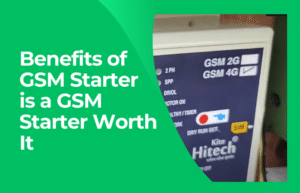
Benefits of GSM Starters- Is a GSM Starter Worth It for Small Farmers?
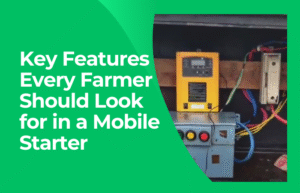
Key Features Every Farmer Should Look for in a Mobile Starter
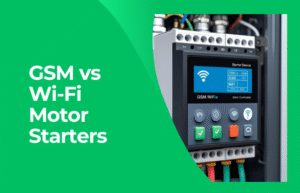
GSM vs Wi-Fi Motor Starters: Which One Should Farmers Choose?
How GSM and IoT Together Are Changing Indian Agriculture
Best SIM Cards & Mobile Networks for GSM Pump Controllers in Rural Area
Remote Pump Automation Without GSM – What Are the Alternatives?
The Role of GSM Controllers in Smart Farming